Watercolor Pet Portrait
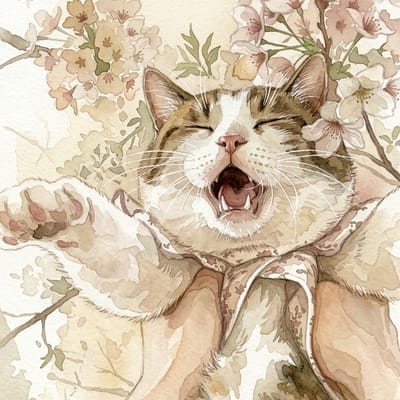
Transform this pet photo into a delicate watercolor portrait. Preserve the animal's exact breed, head shape, eye color, fur color, and unique markings — likeness must be unmistakable. Render in soft layered watercolor washes on cold-pressed paper, muted earth-tone palette (warm browns, ochres, sage greens, dusty blush), controlled wet-on-wet bleeds at the silhouette edges, fine drybrush detail on whiskers and individual fur strands, subtle paper-grain showing through the washes. Composition framed at head-and-shoulders, soft cream wash background with a hint of botanical foliage. Style of a high-end commissioned pet portrait by a botanical-illustration artist. No harsh outlines, no digital cleanness.
Head-and-shoulders watercolour on cream paper with botanical hints. Sharp face, soft light. How to use
Pixar 3D Pet
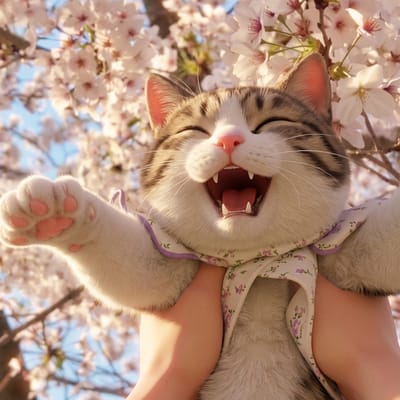
Transform this pet photo into a Pixar-style 3D character render. Preserve the animal's breed, fur color, eye color, and personality cues — viewers must immediately recognize their pet. Apply Pixar's signature look: stylized but anatomically grounded proportions, slightly enlarged expressive eyes with a clear catchlight, soft global illumination, subsurface scattering on the nose and inner ears, individually rendered fur with directional grooming, gentle rim light from behind, warm three-point studio lighting, slight depth-of-field bokeh. Background is a softly-blurred indoor scene in muted teal and amber. Looks like a still frame from a Pixar feature, not a generic 3D render.
Animated-film still with big catchlight eyes. Front-facing photo in good light. How to use
Anime Studio Pet
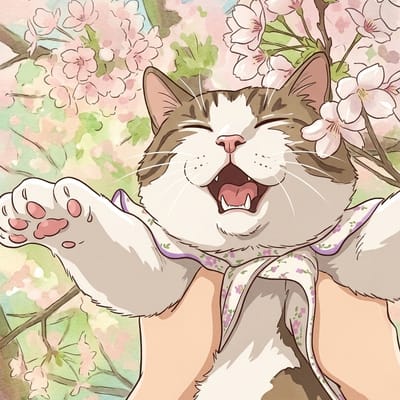
Transform this pet photo into a Studio Ghibli-inspired anime illustration. Preserve breed, coloring, markings, and the pet's distinctive face — the owner must recognize their animal. Hand-painted cel-shaded look: clean line work in dark brown ink (never pure black), flat color fills with one soft shadow layer, hand-painted watercolor background of a sunny meadow or quiet windowsill in pastel blues and warm greens, soft white highlights catching the eyes and nose, gentle natural daylight. Frame composition centered, slightly soft focus on edges. Looks lifted from a Hayao Miyazaki film — gentle, warm, never cute-overload.
Ghibli-style cel illustration on a meadow or windowsill. Calm pose, daylight. How to use
Vintage Oil Painting
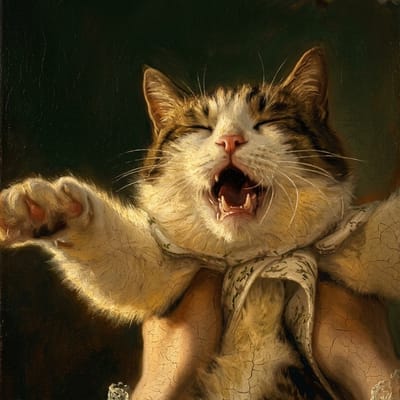
Transform this pet photo into a 17th-century Dutch Master oil painting. Preserve the animal's breed, build, and unique facial features — likeness must be unmistakable. Render with thick impasto brushwork, deep chiaroscuro lighting (single warm window light from upper left, deep shadow on the right), aged-canvas texture visible through the paint, dark forest-green and burnt-umber background, slight craquelure cracks across the surface as if centuries old, dignified noble pose. Soft golden glow on the fur catching the light. Looks like a Rembrandt-era commissioned portrait of an aristocrat's beloved companion. No modern color saturation.
Dutch-master oil with cracked canvas and a noble pose. Side-lit face works best. How to use
Line Art Pen Sketch
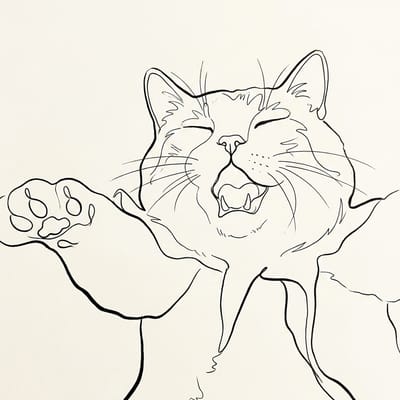
Transform this pet photo into a single-line pen-and-ink portrait. Preserve breed silhouette, ear shape, and facial structure so the pet is recognizable. Confident continuous black ink line on cream paper, varied line weight (thicker on the shadow side, finer on highlights), no shading or fill, just clean contour and a few interior strokes to suggest fur texture. White-of-paper for highlights and the entire background. Composition centered with generous negative space around the head. Looks like a Matisse or Picasso single-line drawing — elegant, modern, gallery-ready. Perfect for tattoos, prints, or stationery.
One continuous ink line, no shading. Needs a clear silhouette; good for tattoos. How to use
Memorial Portrait
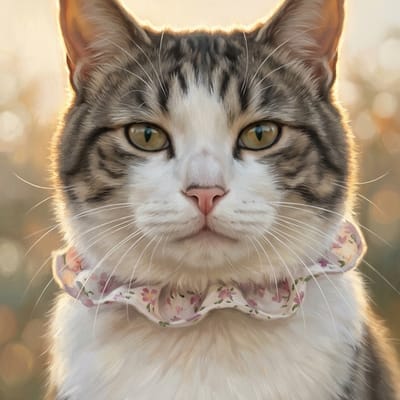
Transform this pet photo into a tender memorial portrait. Preserve every distinguishing feature — breed, fur pattern, eye color, expression — with the highest faithfulness; this needs to be unmistakably the same animal. Soft naturalistic oil-painting style, warm golden-hour backlight haloing the head and ears, gentle smile in the eyes, hands-off composition framed against an out-of-focus garden or sky in cream and pale gold. Subtle warm bokeh, no harsh contrast. Treat the subject with quiet dignity, not sentimentality. Style of a fine-art commissioned memorial portrait suitable for framing.
Soft oil with golden backlight and quiet dignity. Use your best photo, any quality. How to use
Family Group Portrait
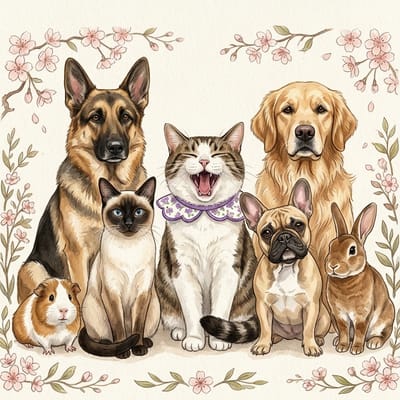
Transform this multi-pet photo into a classic family group portrait. Preserve every individual animal's breed, coloring, markings, size relationships, and distinct personalities — each pet must be individually recognizable. Render in warm hand-painted illustrated style, soft watercolor-and-gouache mixed media, even three-quarter natural lighting, neutral cream background with subtle botanical accents, animals composed shoulder-to-shoulder like a Victorian family photograph. Each face is given equal visual weight; nobody is hidden in the back. Style of a high-end illustrated pet-family commission, suitable for printing as a holiday card.
All pets shoulder to shoulder, each recognisable. Upload a photo with every pet in it. How to use
Royal Classical Portrait
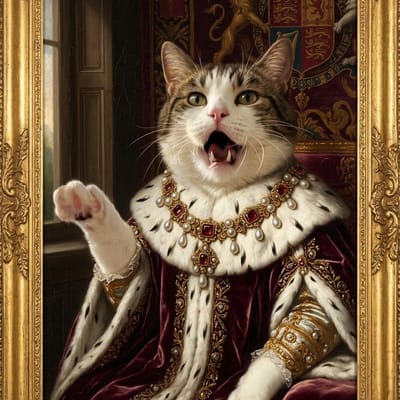
Transform this pet photo into a Renaissance royal portrait. Preserve the breed, fur color, and facial likeness — viewers should clearly recognize the original animal. Dress the subject in a rich velvet-and-fur royal mantle with a pearl-and-ruby collar, posed in a regal three-quarter view against a deep burgundy and gold tapestry background. Old-master oil-painting technique, dramatic side-lit chiaroscuro, deep cast shadows, glowing skin/fur catching window light, subtle craquelure on the canvas surface. Carved gilt frame implied by the heavy painterly border. Looks like a 16th-century court portrait of a beloved royal pet, hung in a palace gallery.
Velvet mantle, jewelled collar, tapestry. Front or three-quarter face. How to use